

Last updated: October 2026
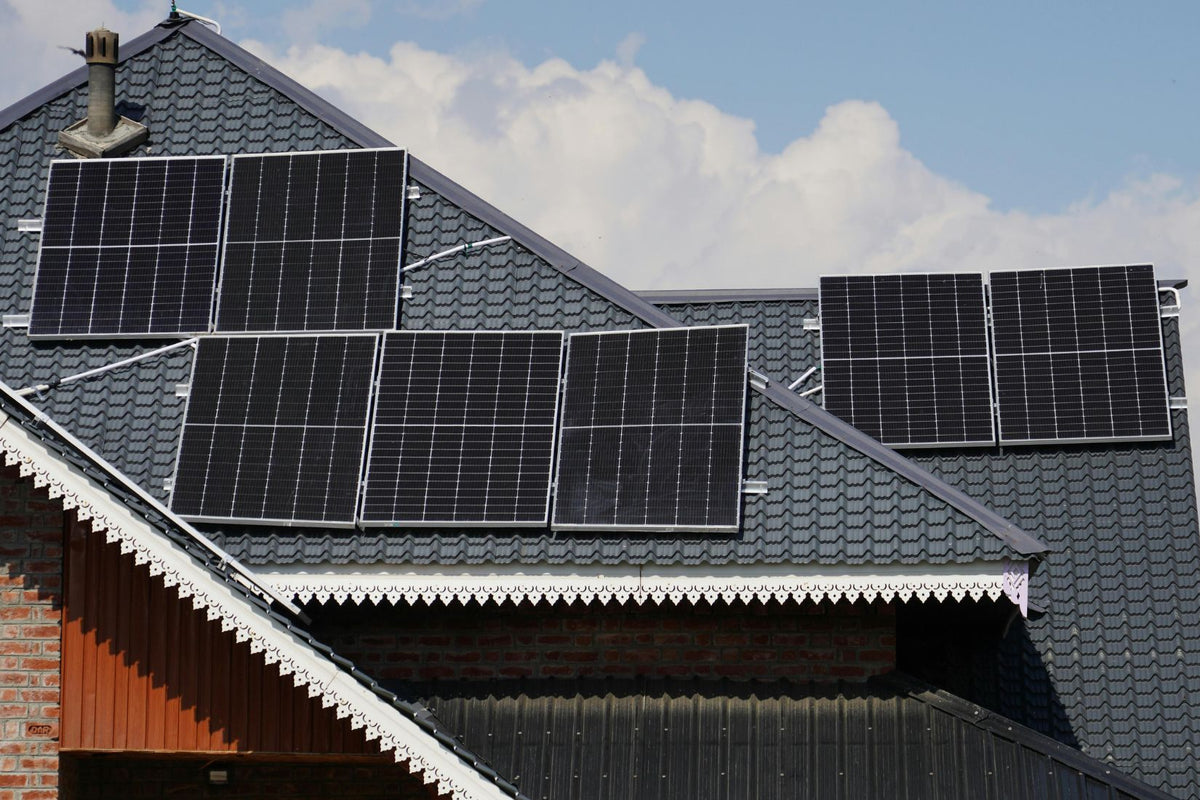
Solar panels generate the power, but how much you save depends on what you use it for. For most solar homes, the biggest returns come from hot water first, then cooling, then heating - when the right appliances are set up to run on the sun (or a battery) rather than the grid.
A solar installer's job is to get the system working on your roof. Which of your appliances should use that power - and when - often gets much less attention, even though it can make a real difference to what you save. This guide is a round-up of where your solar power can work hardest across hot water, cooling and heating, with or without a battery.
We don't sell solar, so our advice is independent.
Which products pay off most with solar? The quick answer
The products that pay off most run on your own solar - straight from the panels at midday, or from a battery your panels have charged. Hot water ranks first because it's needed all year and can be stored. Cooling is second, heating third (a battery can lift heating higher). Gas appliances won't use the solar power you generate.
Here's how they compare at a glance:
| Product | How it works with solar | Payoff | Best for |
|---|---|---|---|
| Hot water heat pump (e.g. Rinnai HydraHeat, Rinnai Enviroflo GR) | Heats water during the day, so a full cylinder is ready for the evening, on a fraction of the electricity | High | Making your solar go furthest, especially if you're replacing an older cylinder |
| Standard electric hot water cylinder | Can run on solar if it's set to heat during the day, but uses far more electricity than a heat pump | Medium to high | Homes keeping their existing cylinder |
| Heat pump for cooling | Summer cooling demand lines up with peak sun | Medium to high in summer | Homes that overheat, or anyone home during the day |
| Heat pump for heating | Runs on your own power on sunny winter days; a battery can carry it into the evening | Medium, higher with a battery | Living areas used during the day, or evening heating if you have a battery |
| Electric fires and panel heaters | Draw electricity while running, usually in the evening, so a battery helps most here | Lower | Occasional or supplementary heating |
| Gas hot water and gas fires | Don't use your solar power | None directly | Homes with little solar, or where instant hot water or a real flame matters most |
Why is using your own solar power worth more than sending it back to the grid?
For most households, using your own solar power is worth more than sending it back to the grid, because buy-back rates from NZ power companies vary by retailer but are typically lower than what you pay to buy power from the grid. The best return comes from using solar at midday, or storing the surplus in a battery.
It's worth checking your own buy-back rate against what you pay to buy power. The bigger the gap, the more it pays to use your solar yourself - which is exactly what the products below are good at. It's important to remember that there are limits to battery capacity, and some energy is lost in the process of storing it. A battery changes the timing rather than the principle: stored solar is still your own power.
Why does hot water pay off first for a solar home?
Hot water pays off first for a solar home because it's needed all year and can be stored, so it can be heated at midday on solar power and used that evening. It makes up about a third of the average household's energy bill, and a heat pump uses 60-75% less electricity than a standard electric cylinder, according to EECA.
That's what makes hot water such a good match for solar - a hot water cylinder is effectively a battery most homes already have. Any electric cylinder can use your solar if it's set to heat during the day, so you don't need a heat pump to get started.
The difference is how far your solar goes. A heat pump does the same job on a fraction of the electricity, which leaves more solar for everything else and less grid power on cloudy days. And while solar is cheaper than grid power, it isn't quite free - every unit you use at home is one you could have exported - so using less is still worth it. Two Rinnai options worth looking at:
- Rinnai Enviroflo GR Integrated Heat Pump - designed to be solar PV compatible, so it can be set up to heat when your panels are producing.
- Rinnai HydraHeat Split Hot Water Heat Pump - has a built-in timer so you can schedule water heating to line up with your solar's peak hours, and comes in 275 and 340 litre cylinder sizes.
Savings vary with your climate, household size and how much hot water you use, but both are a big step up from a standard electric cylinder. If you're weighing up your options, our comparison of Rinnai hot water systems walks through the differences, and our HydraHeat questions answered covers the practical details. You can also browse our hot water heat pumps, or read more about the best heating and cooling options for solar-powered homes in Hawke's Bay.
Is it worth using a heat pump for cooling when you have solar?
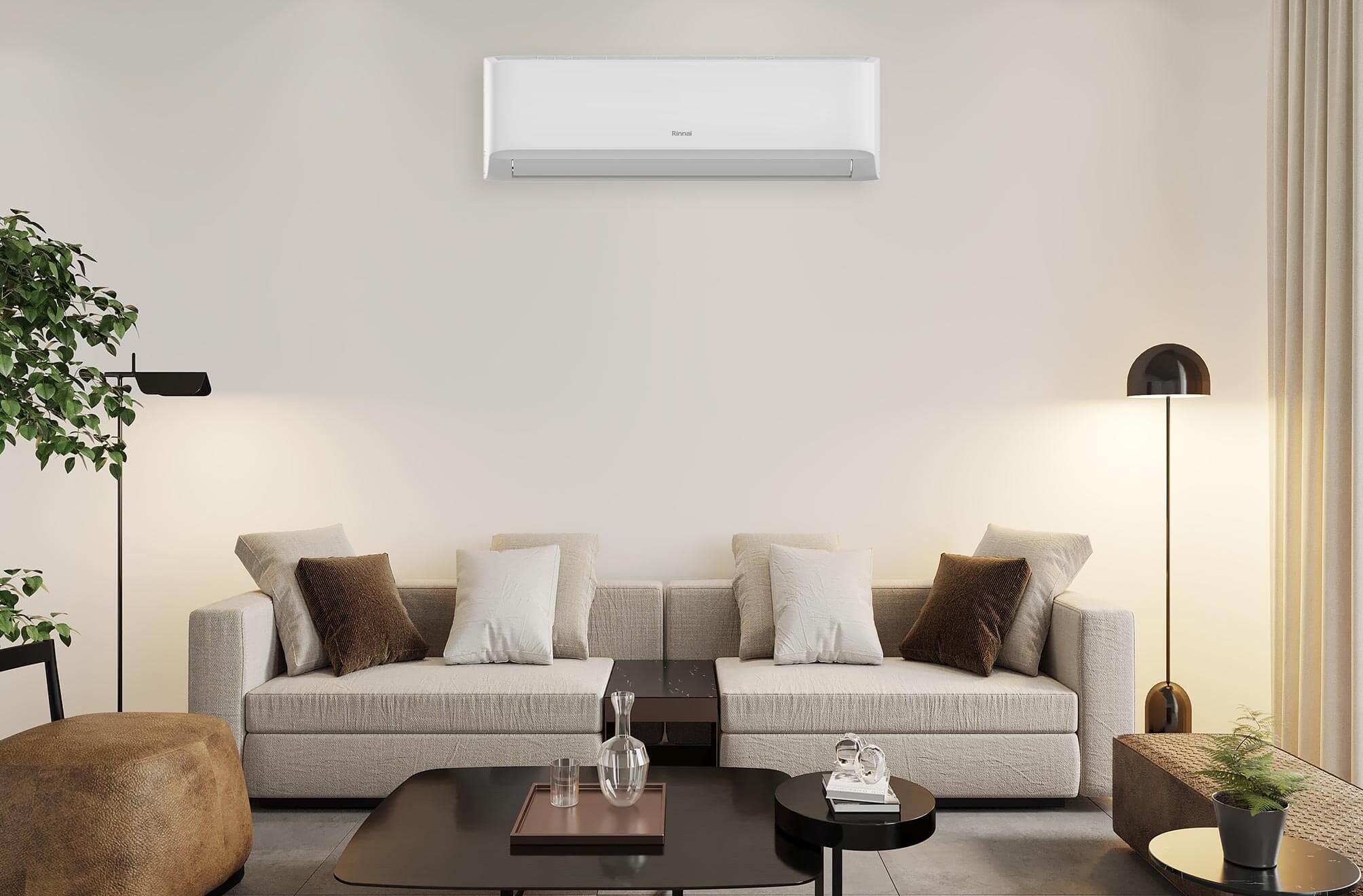
Yes, using a heat pump for cooling is worth it when you have solar, because cooling is where the two line up best. The hottest part of the day is also when your panels produce the most, so much of the power your heat pump uses to cool the house comes straight from your own roof.
In a Hawke's Bay summer, that's a great match. To get the most from it:
- Start cooling in the late morning while the sun is strong, rather than waiting until the house is already hot
- Close curtains on sun-facing windows before the afternoon heat builds
- Pre-cool bedrooms in the late afternoon, so you're not relying on grid power overnight - unless your battery can carry it
Our 7 tips for keeping your home cool in summer and 10 cool tips for a good night's sleep cover the habits that make a heat pump's job easier. If you're choosing a unit, see how to choose a Rinnai heat pump for a cooler (or warmer) home or browse our heat pumps.
Does heating pay off with solar in winter?
Heating pays off only partly with solar in winter. Winter days are shorter, so solar rarely covers all your heating needs. The coldest times of the day are normally morning and evening when your solar panels won't generate much energy.
A heat pump still pays off because it moves heat rather than generating it - and with a battery, more of that evening heating can run on stored solar.
A few ways to get more from your solar in winter:
- Pre-warm the house on sunny afternoons, so it holds heat into the evening
- Heat the rooms you're actually using rather than the whole house - our guide to heating a single room can help
- Get the size right - an oversized or undersized unit wastes power, which is why choosing the right heat pump for your home matters so much
- Consider a ducted system if you want whole-home comfort - see five things you need to know about ducted heat pumps
For a broader look at where to put your money for comfort and savings, see smart investments for comfort, health and savings in Hawke's Bay homes.
What changes if you have a solar battery?
If you have a solar battery, it moves your solar power into the evening, which helps most with heating. You no longer need to run everything at midday, but a battery only holds so much, and heating a large space can use a lot.
Hot water is still best heated at midday, because the cylinder stores that energy without using battery capacity. Here's how a battery changes things for each product:
- Heating moves up the list. Stored solar can carry a heat pump through the evening, so more of your winter heating can come from your own power. How far it goes depends on your battery's size and how much of the house you heat.
- Hot water works alongside your battery. Heat the cylinder while the sun's out and your battery stays free for evening use.
- Cooling gets easier to extend. Afternoon cooling still runs straight from your panels, and a battery can help keep bedrooms comfortable later on.
- Electric fires and panel heaters become more practical in the evening. A heat pump will still warm a room on a fraction of the power, though, so it's usually the better choice for your biggest spaces - and the one that makes a battery last longer.
If you're not sure how much your battery can carry, ask your solar installer for its usable capacity. Then talk to us about how much power a heat pump will draw, and we'll help you work out what's realistic. Getting the size right matters even more with a battery, which is why choosing the right heat pump for your home is worth a read.
Do gas hot water and gas fires still make sense if you have solar?
Gas hot water and gas fires don't use your solar power, so they won't help your panels earn their keep. Gas can still make sense for a home with little solar, high evening hot water demand, or where instant hot water and the look of a real flame matter most.
To get the most from solar, electric options usually pay off faster. That doesn't make gas the wrong choice for every home - it depends on how you live. Our comparison of Rinnai hot water systems puts the Rinnai INFINITY gas continuous flow alongside the heat pump options. You can also browse the Rinnai INFINITY gas hot water heaters and gas fires.
Where should you start? A quick checklist
- Check your hot water first - getting it to heat during the day is usually the biggest win, and a heat pump makes your solar go further
- Find out your power company's solar buy-back rate and compare it with what you pay to buy electricity
- Check whether you have a battery and how much it can hold - it changes when it makes sense to run things
- Look at when your household uses power - the more you use during the day (or from a battery), the more your solar is worth
- Note which rooms overheat in summer, since that's where a heat pump for cooling pays off
- Choose products with a timer or solar-compatible controls, so they run when your panels are producing
- Talk to someone before you buy - the right size and the right installation make a big difference to the payoff
Quick answers
Do I need a solar-specific heat pump?
No, you don't need a solar-specific heat pump. In a grid-tied solar home, any electric appliance uses your solar power while your panels are producing, and from your battery if you have one. What matters is timing: you want an appliance you can set to run while your panels are producing.
The Rinnai Enviroflo GR is designed to be solar PV compatible, and the Rinnai HydraHeat has a built-in timer for scheduling heating around your peak solar hours.
Who installs a hot water heat pump?
Installing a hot water heat pump needs a qualified plumber and electrician, and the Rinnai HydraHeat's heat pump unit has to be installed outside. Get in touch with the Snug team before you buy and we'll talk you through what installation involves for your home.
Will a hot water heat pump work well in a Hawke's Bay winter?
A hot water heat pump generally works well in a Hawke's Bay winter. Efficiency varies with outdoor air temperature - EECA notes the same model performs better in a warmer region like Auckland than in Christchurch - and Hawke's Bay sits towards the milder end of the country.
Not sure where to start with your solar setup?
Every home is a bit different - your cylinder, your roof, the way your household uses power. Talk to the Snug team and we'll help you work out which product will pay off first, and what to look for when you're getting installation quotes. Call us on (06) 600 01 05, email info@snugstore.co.nz, or get in touch online.
Prefer to browse first? Have a look at our hot water heat pumps and heat pumps.

Leave a comment
This site is protected by hCaptcha and the hCaptcha Privacy Policy and Terms of Service apply.